The Cure Turn “A Forest” Into a Legendary Rebellion at Werchter Festival, 1981
Some live performances become classics because they sound great.
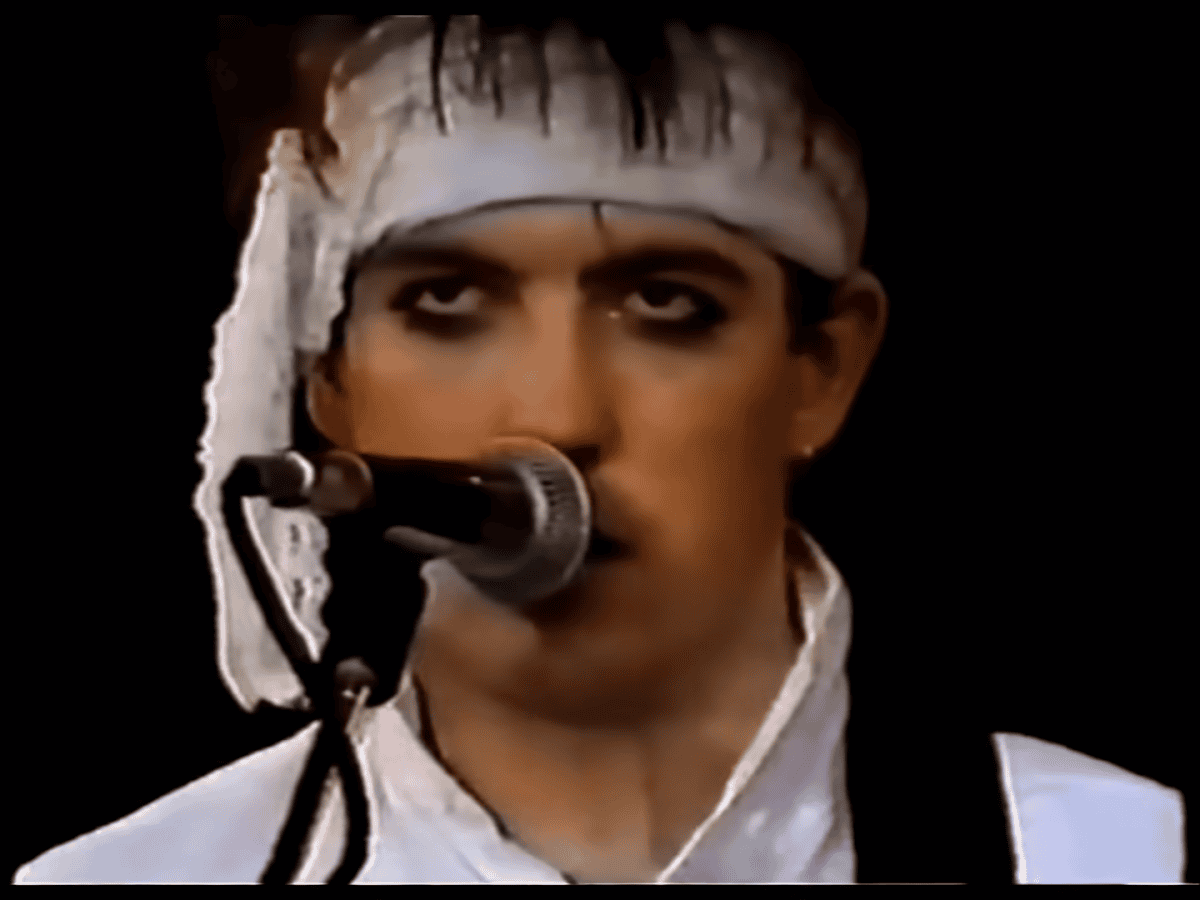
Others become classics because of their energy. But once in a while, a performance becomes legendary because everything goes wrong, then the band decides to fight back. That’s exactly what happened on July 5th, 1981, when The Cure walked onto the stage at the Werchter Festival in Belgium and played one of the most unforgettable versions of “A Forest” ever captured on film.
A Bad Schedule Turns Into a Musical Protest
The Cure had only been on stage for about 30 minutes when trouble started. The entire festival was running late, and staff backstage wanted to speed things up to make room for the next act: Robert Palmer.
Palmer’s road crew began waving their hands, signaling The Cure to stop playing. Instead of ignoring the message, frontman Robert Smith did something bold, he told the crowd what was happening.
According to Smith:
“This bloke ran on and said, ‘If you don’t stop playing, we’re gonna pull the plug.’”
Instead of ending the show, Smith made a decision.
A big one.
The Cure looked at each other… and chose to keep playing.
That choice turned the performance into a moment fans still talk about today.

Stretching “A Forest” Into a 10–15 Minute Statement
What happened next is one of the best examples of musical rebellion on record.
The band launched into “A Forest”, usually a fast, tight, haunting track. But on this night, they played a slow, stretched-out, heavy version that grew darker and more emotional minute by minute.
The tension in the air wasn’t just visible, it was audible.
At around 5:20–5:30 into the video, fans can actually see Robert Smith and bassist Simon Gallup talking onstage, plotting in real time. They decide to make the song even longer. You can watch them nod, shift, and agree silently before extending the song into a full improvised jam.
A fan in the comments described it perfectly:
“You can literally see Robert and Simon decide to relaunch the beat and make it longer. It’s brilliant.”
And it is.
They take the song’s dark mood and double down on it.
Improvised Lyrics Turn Into a Loud “No”
As the extended version rolls on, Robert Smith begins singing lines that were never in the original track.
These include:
- “Such a long end… such a long end… such a long end…”
- “Parting is such sweet sorrow…”
- “And knowing where the time will go…”
These improvised lines feel dramatic, dreamy, and strange, but fans know exactly what they mean. They’re a message to the festival crew:
“We’re not stopping.”
One comment puts it bluntly:
“These lyrics basically mean nothing. That’s the point. They’re a giant ‘F*** you’ to whoever tried to rush them offstage.”
It’s a moment of pure rock ’n’ roll attitude, delivered with The Cure’s cold, ghostly style.
Dropping to Their Knees Like Hendrix
As the jam builds, things get even wilder.
Robert adjusts the amp, adding a sharp bite to his guitar sound. Then both he and Simon Gallup drop to their knees, shredding the song with a messy, noisy energy totally out of character for The Cure’s usual clean style.
Another fan notes:
“That wasn’t normal for The Cure. They almost never did Hendrix-style shredding. That’s how you know they were fired up.”
The whole performance becomes a mix of anger, emotion, frustration, and art. It’s messy, raw, and absolutely gripping.
Simon Gallup’s Final Shout Becomes Legend
As the song finally ends, the tension reaches its peak.
Simon Gallup leans into the microphone and yells:
“F* Robert Palmer! F*** rock ’n’ roll!”**
It becomes one of the most quoted moments in Cure history.
Afterward, the anger continued offstage.
According to Smith:
“When we finished, they threw all our stuff off the back of the stage.”
It was a rough ending to a rough day, but it created a moment fans still talk about decades later.

Why This Version of “A Forest” Matters
This isn’t just one of the best early Cure performances, it’s a piece of music history. Here’s why:
It shows the band’s raw, early attitude
Before The Cure became icons of goth rock, they were a scrappy post-punk band who didn’t like being pushed around.
The atmosphere is amazing
The whole performance feels heavy and dark, like the band is pouring their frustration into the sound.
The improvisation is rare
The Cure didn’t often improvise long jams or new lyrics onstage. This performance is one of the few times they let loose.
Fans can see a real “behind the curtain” moment
Watching Robert and Simon plan the extension mid-song is something you almost never see in any band.
It captures the spirit of post-punk
Rebellious, emotional, moody, and powerful.
This version of “A Forest” isn’t just a song, it’s a statement.
The Bigger Picture
The 1981 Werchter performance is a reminder of why The Cure became one of the most important bands of their generation. They didn’t just play songs. They felt them, lived them, and sometimes fought through them.
Thanks to Herb79’s upload, fans today can watch every second of the tension, the improvisation, the anger, and the magic.
If you’ve never seen it, this is the moment to search for it and press play.
It’s The Cure at their wildest, realest, and most unforgettable.