If You Love “Blackbird,” Don’t Miss This Intimate Performance
Some songs feel like they were written to fill stadiums. Others feel like they were written to fill the silence. When The Beatles released “Blackbird” in 1968, the world was already spinning loudly. Psychedelic experiments, studio innovation, cultural revolution, the band was at the height of its creative power. Yet in the middle of all that noise, one quiet acoustic song rose above everything.
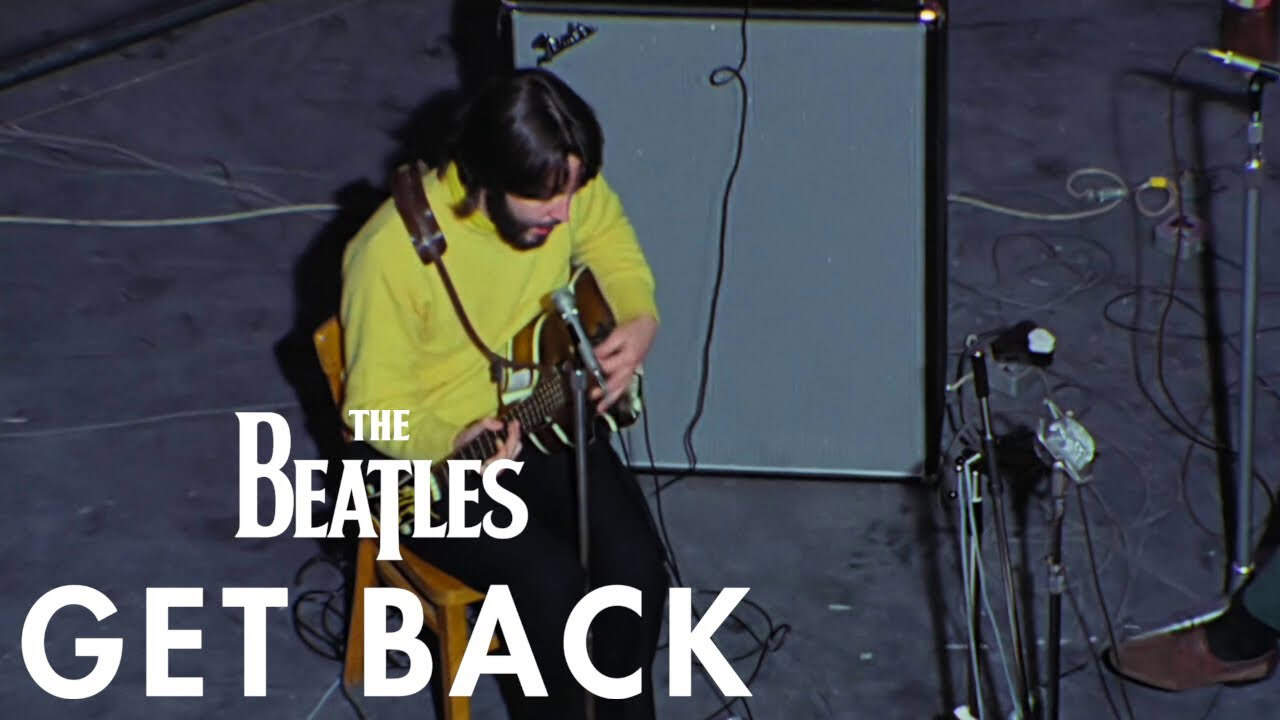
Performed solely by Paul McCartney, “Blackbird” strips music down to its barest bones. No full band. No sweeping orchestra. No elaborate production tricks. Just McCartney, an acoustic guitar, and the subtle rhythm of his tapping foot kept time like a steady pulse beneath the melody.
And somehow, that’s more than enough.
From the very first notes, the performance feels intimate, almost fragile. The fingerpicking pattern, inspired by classical techniques McCartney admired, dances delicately beneath his voice. Each note lands with intention. Each pause feels deliberate. There’s space between the lyrics, and in that space, the listener leans closer.
Though the song’s title evokes an image of a bird taking flight, its meaning runs far deeper. McCartney has explained that “Blackbird” was written during the American civil rights movement. The bird, in many ways, symbolized Black women facing injustice and struggle, the lyric “Take these broken wings and learn to fly” becoming a quiet anthem of resilience.
What makes this performance so moving isn’t just the message. It’s the restraint. McCartney doesn’t belt. He doesn’t dramatize. He delivers the words gently, almost tenderly, allowing the strength of the message to speak for itself.
In an era of grand statements and amplified sound, “Blackbird” chose vulnerability.
And that vulnerability is exactly why it still resonates.
The song originally appeared on The White Album, a record known for its creative range and bold experimentation. Yet “Blackbird” remains one of its most enduring moments, proof that sometimes the simplest idea carries the longest shadow.
Over the decades, the song has been covered by countless artists, performed in packed arenas, played in classrooms, weddings, protests, and quiet bedrooms by beginners learning their first fingerpicking patterns. It has become more than a track in The Beatles’ catalog. It has become a rite of passage.
Part of that timelessness lies in how the performance ends. After the final lyric fades, natural bird sounds flutter softly into the air. It’s subtle. Organic. Almost cinematic in its quiet closure. The effect isn’t flashy; it’s grounding. As if the world outside the studio is still alive, still listening.
In today’s digital landscape, where music often competes with flashing screens and instant distraction, “Blackbird” feels almost radical. It asks nothing from the listener except attention. It proves that one voice and one instrument can still hold the world still. There’s no spectacle here. No fireworks. Just sincerity.
And that sincerity is why “Blackbird” continues to soar. Not because it’s loud, but because it’s honest. Not because it demands applause, but because it earns reflection. Sometimes the most powerful performances don’t shake the earth. They steady it.
And more than fifty years later, “Blackbird” still reminds us that even broken wings can learn to fly, softly, bravely, beautifully.