Benson Boone and Brian May Turn “Bohemian Rhapsody” Into a Coachella Moment for the Ages
Some songs don’t just fill a stage. They command it.
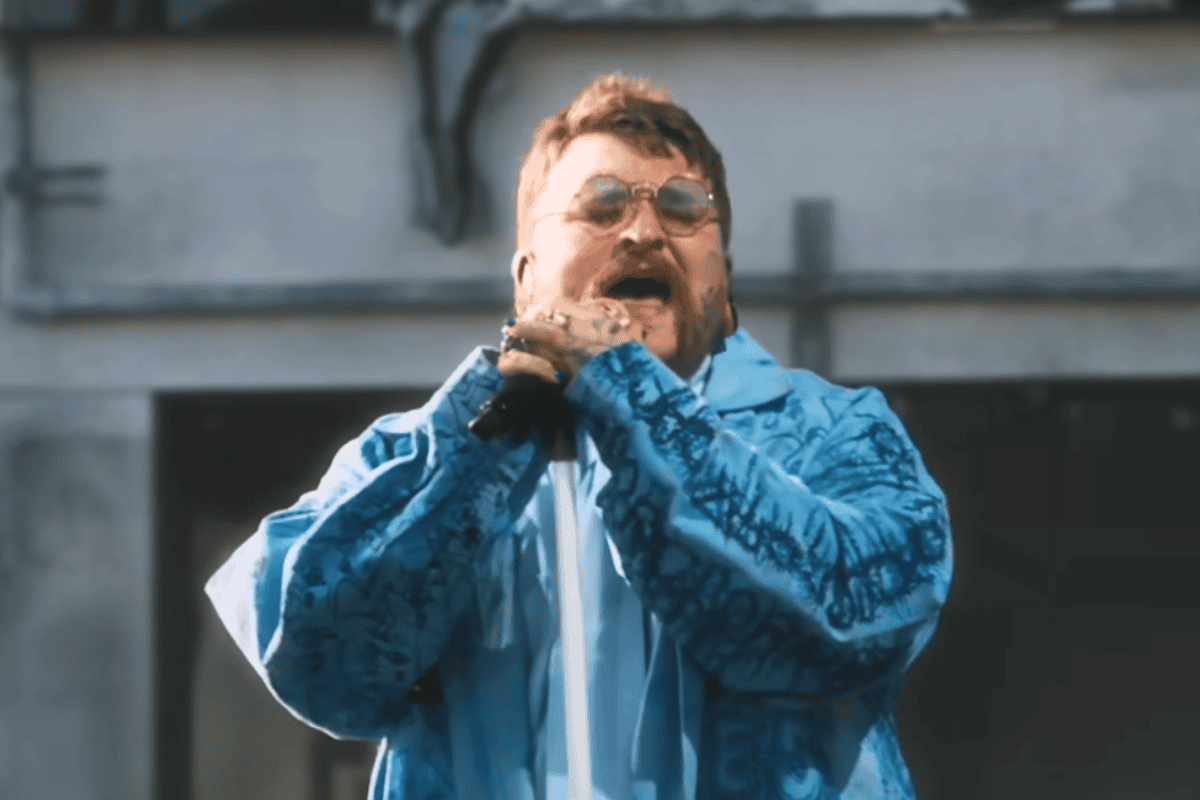
“Bohemian Rhapsody” is one of those rare pieces that can still silence a crowd, decades after its first note ever rang out. At Coachella 2025, Benson Boone didn’t just perform it; he shared it with one of the men who helped give it life in the first place. And when Brian May appeared, the night tilted.
From the opening moments, Boone carries the weight of the song with confidence. He doesn’t rush it, doesn’t overplay it. The familiar opening question floats out across the desert, and the crowd responds instantly. Thousands of voices recognize what’s unfolding, and the energy locks in. This isn’t background music. This is collective memory.
Boone’s vocal approach is earnest and emotional rather than theatrical. It works. He treats the song like a story instead of a showcase, letting the lyrics breathe and trusting the audience to meet him halfway. In a way, it echoes the sincerity you hear in Bruce Springsteen’s most stripped-back live moments, less about polish, more about belief.
Then something changes.
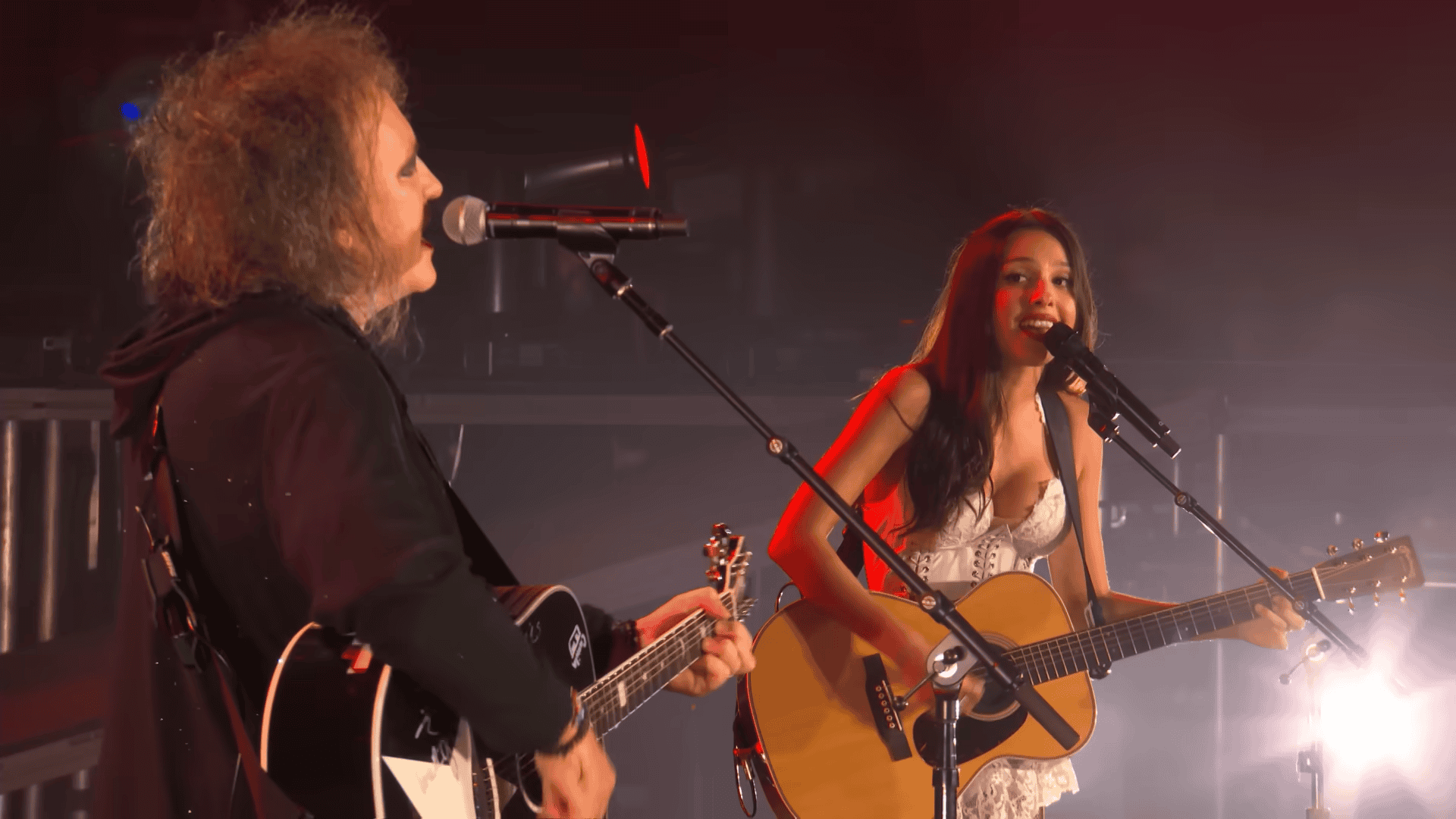
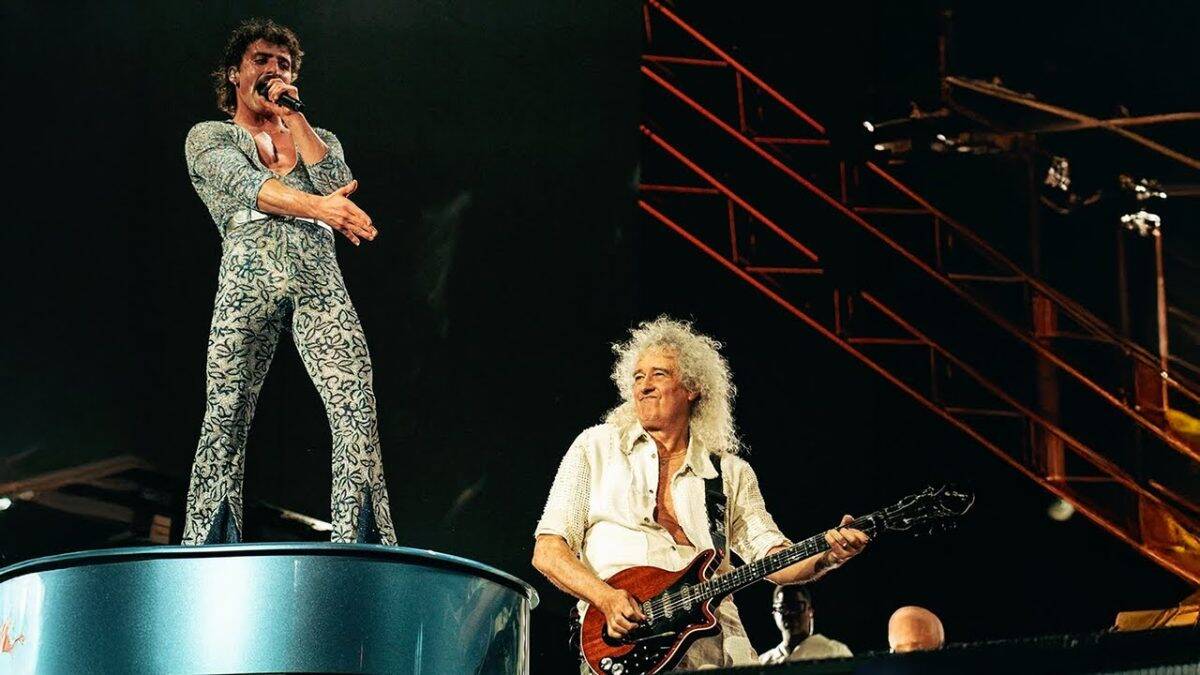
As the song builds and the tension tightens, Brian May appears, not announced, not overstated, simply there. White hair glowing under the lights, Red Special in hand, calm and unmistakable. The crowd’s reaction is immediate and electric. This isn’t just a guest spot. This is history stepping into the present.
May doesn’t dominate the moment. He never has to. His guitar tone alone carries decades of weight, and his presence reframes the entire performance. Suddenly, this isn’t just a cover on a festival stage. It’s a bridge between generations, between the original spirit of Queen and a new voice carrying it forward.
And just as quickly as he appears, he’s gone.
That brief disappearance is part of what makes the moment work. The song continues its dramatic arc, confession, chaos, and plea, with Boone at the center again. The crowd stays locked in, riding the operatic swings and emotional turns. It’s almost cinematic, like a great film holding back its most powerful character until the right moment. When Brian May returns, it lands with even more force.
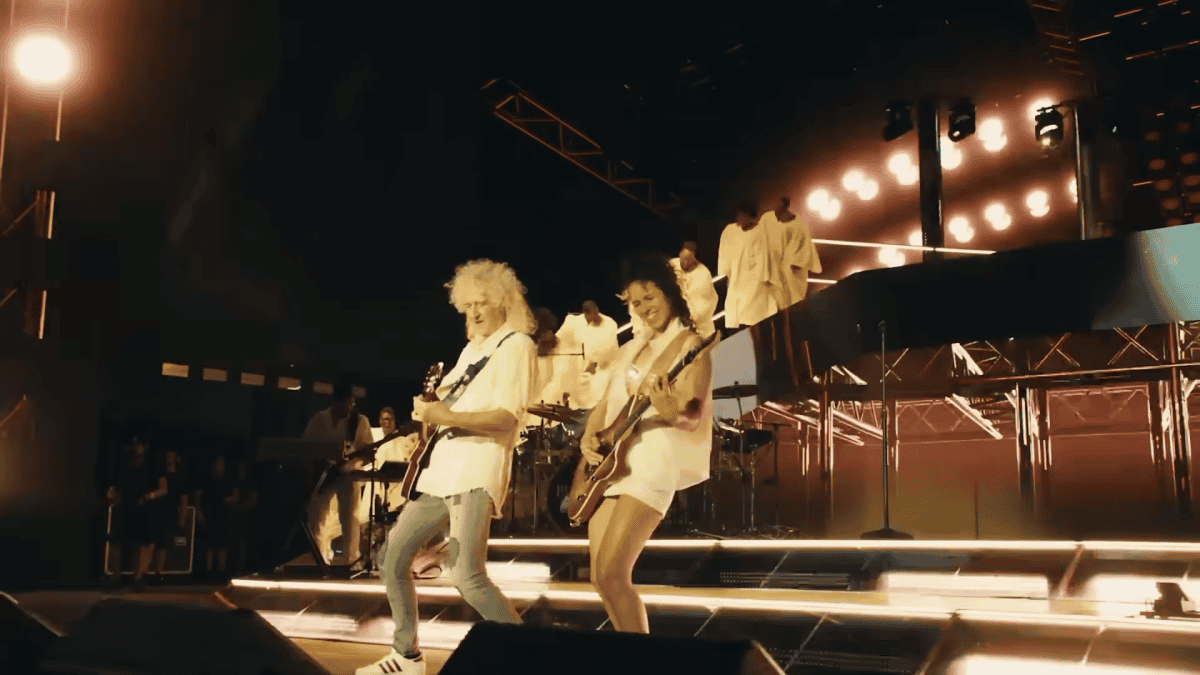
As the song surges toward its final act, May’s guitar becomes a constant presence, grounding the performance and lifting it at the same time. His playing is expressive but controlled, never flashy for the sake of it. There’s wisdom in every note, the kind that only comes from a lifetime of standing inside songs that mean something to millions of people.
The dynamic between Boone and May is striking. Boone brings youthful intensity and emotional openness; May brings gravity, authority, and grace. Together, they don’t try to recreate Queen. They honor it. And that distinction matters.
It’s a bit like watching Nirvana songs performed years later by artists who understand that the power isn’t in copying Kurt Cobain’s voice, but in respecting the raw honesty underneath. This performance understands that truth.
As the final lines arrive, “nothing really matters, the crowd doesn’t rush the ending. There’s a shared awareness that something special just happened. Applause breaks out, not just loud but satisfied, the kind that follows a moment people know they’ll talk about later.
Brian May’s presence turns this from a strong festival cover into a landmark live moment. His entrance, absence, and return give the performance shape and narrative, like acts in a play. It’s subtle, intentional, and deeply effective.
For The Music Pulse readers, this is the kind of performance that reminds us why live music still matters in an age of endless content. Not because it’s perfect, but because it’s alive. Because legends still show up. And because sometimes, when the timing is right, a song can still stop time.
This wasn’t just “Bohemian Rhapsody” at Coachella.
It was a reminder that great songs don’t age; they wait. For another colossal take on the same epic, Julien Cohen’s 300-artist street show of Bohemian Rhapsody turns the song into a full-scale open-air spectacle.