Teddy Swims Live at Lowlands: The Performance That Leaves A Mark
The lights fall soft over the Lowlands stage, and a single voice cuts through the noise. Within minutes, thousands of people are locked into the same feeling, breathing with the same beat. That is the pull of Teddy Swims live at Lowlands.
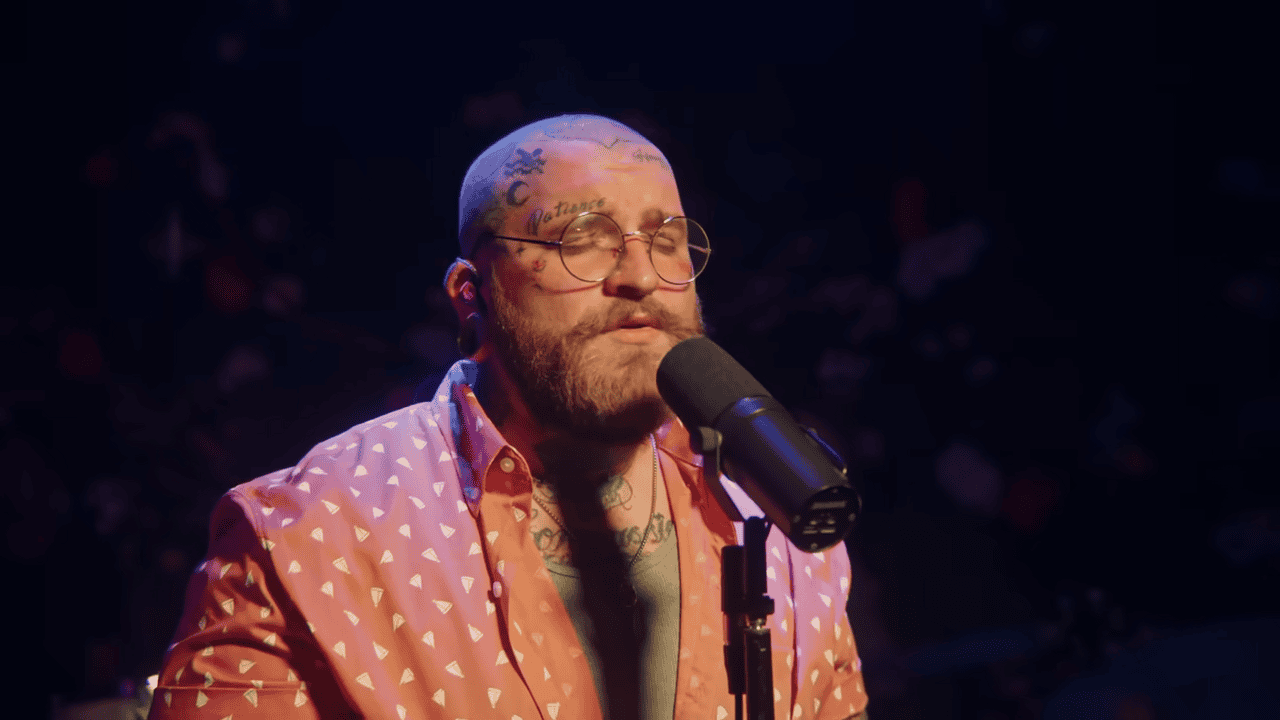
Teddy Swims is an American singer and songwriter with a huge, warm voice. He blends soul, pop, R&B, and a touch of country grit in a way that feels both raw and easy to listen to. He is heavily tattooed, wide‑smiling, and often talks to crowds like they are old friends.
Many first found him through stripped‑down cover videos, then stayed for his original songs. Over time, he has shifted from small rooms and online clips to big stages and major festival spots. Lowlands 2024 shows why that rise feels so natural.
Onstage, he does not just sing. He talks, laughs, swears, shares, and checks in with people. That mix of showman and open friend runs through this whole set.
Teddy does not stand alone at Lowlands. He performs with his tight live band, which he proudly calls the best band on the planet. He introduces them as his best friends and mentions the name of the project, Freak Freely.
Across the show, he shouts out each player one by one. He points to the drummer after a wild solo, hypes the guitarist when the crowd roars, lifts up the keyboard player during a long outro, and cheers on the bass player holding everything down. These are not quick name drops. They feel like family moments, shared in front of tens of thousands of people.
The result is a set that moves like a real band performance, not a backing track show. Every song feels alive, slightly different, and shaped by the people onstage in that exact moment.

The set kicks off with “Goodbye,” and the crowd answers with cheers before he even reaches the first big note. From the start, he leans into heartbreak and longing, stretching out phrases and letting his voice crack in all the right places. You can hear people shout along as the chorus hits.
Even in this early moment, he sounds wide open. He sings like someone who has lived every word, even without spelling out what the song is about. Between lines, the camera catches faces in the crowd, some smiling, some on the edge of tears, all pulled into the same space.
That first song sets the tone. This will not be a distant, cool set. It will be close, loud, and very human.
Right after “Goodbye,” he rolls into “What More Can I Say.” The energy stays emotional, but the groove shifts a bit. The band locks in behind him while he works the front of the stage, reaching out to the people in front rows.
By the time he hits “911,” he is already talking with the crowd like they have known each other for years. He calls the song “an old one” and asks anyone who knows it to help him out. Hands go up, and voices rise with his. The chorus swells, and the hook hits with the power of a shared chant.
The camera jumps between Teddy, the band, and the sea of people. You can see how much fun he is having, even when the mood of the music leans heavy. That mix of pain in the voice and joy in the room is one of the things that makes this set stand out.
Before “Hammer To The Heart,” Teddy pauses to talk. He takes a breath and lays out what he calls the one rule of the night: “staying with it.”
He asks the whole field to repeat it with him. “I will stay with it.” He explains what that means in simple terms. Check on your friends. Make sure they are drinking water. If they got too drunk before he even came on, help them out. Stay hydrated. Look out for the people next to you.
It is funny and loose, but it is also real. Festivals can be rough on the body and mind. He turns that reminder into a shared promise, then drops straight into “Hammer To The Heart.”
On that song, his voice gets even more intense. He sings about hurt and pull and cycles that are hard to break, but he never explains it in speeches. He lets the melody and the delivery carry all that weight. The crowd screams on every big note.

Later in the set, he shifts into a softer mood with “All That Really Matters.” Before the song, he tells the crowd how much he loves them. He calls them “little cuties” and says he wishes he could squeeze their heads. It sounds goofy on paper, but onstage it feels honest and sweet.
He tells them this song is about how much he loves them. Then the band falls into a warm, mid‑tempo groove that feels like a hug. People sway, some lift their phones, others simply close their eyes and listen. Teddy sings about holding on to what counts, and for a few minutes, that seems to be the only thing happening in the world.
At the end of the song, he lets the band stretch out. The drummer is going wild, and Teddy is hyping him up, yelling, laughing, and telling him to “talk your shit.” The crowd answers with a huge roar.
The mood shifts again when he brings out “Devil In A Dress.” The song leans into a darker, more dramatic sound. His voice growls in places, then jumps back up into soaring high notes. He sings hard enough that he needs to stop after and catch his breath.
He laughs, jokes that he needs to lose some weight, and uses that moment to connect again. It feels like watching a friend joke about being out of breath while still giving everything he has.
“Funeral” follows as a slow, smoky piece with a low, steady pulse. The stage feels like a small club at that point, even though it is a huge festival field. He sings close to the mic, almost whispering in some lines, then opening up into long, held notes. The crowd is quiet through most of it, hanging on every word.
A Toast With “Apple Juice”
After that deep stretch, Teddy brings out a song he says is about drinking: “Apple Juice.” He laughs and admits he likes to drink. The lyrics talk openly about pouring booze into apple juice and not having much of an excuse for it.
Live, the song lands like a loose confession over a bouncing groove. People dance, clap along, and shout back lines at him. He sings about being “bad” and not listening when people tell him to stop, and you can feel the crowd smiling at the blunt honesty.
Even with that playful edge, his voice never loses its grit and soul. Every chorus hits hard and clean.
Then he shifts the mood again and brings the crowd into a more private space. He asks if he can play something new that is not out yet. The song is called “Bad Dreams,” and he says it means a lot to him.
He shares that he has recurring nightmares all the time and struggles with them. He wrote this song about that feeling and hopes it might help someone else. He even says he wants to give the crowd a blessing with it.
The music is gentle, almost fragile. The guitar is soft, the keys float in the background, and his voice sits right on top. He sings about the sun going down, time running out, shadows, and wanting peace at night. You can tell the crowd is tuned in. At the end, the applause feels grateful, not just excited.

Before “Some Things I’ll Never Know,” Teddy gets very serious. He says he is 31 now. He talks about how people walk out of your life and never give you closure. They do not explain. They just leave.
He talks about how someone can block you on social media, then show up months later with a whole new life, and you are left with questions. He jokes about it, swears, but underneath that, his point is clear. Closure does not really come from other people.
He says the only real clarity comes from acceptance, from letting go of what you cannot control and wishing people well even when they hurt you. Then he links that feeling to the next song.
“Some Things I’ll Never Know” hits like a long exhale. He sings about walking down the street, passing strangers, and holding questions that have no answers. He repeats the idea that some things will just never be clear. His voice is soft in the verses, huge in the chorus. The field sings with him by the end.
Later in the set, he brings out “Bed On Fire” and calls it a song for the “real day ones.” That little line says a lot. It shows how long he has been building this base of fans and how many have walked with him from early days to this big stage.
The live version grows and grows. The verses stay steady, then the chorus explodes into a big wave of sound. He sings at full power, the band crashes in behind him, and people scream the hook from all corners of the field. When he reaches the lines about fire and burning, the crowd is right there with him, like a choir made of thousands of voices.
Near the end, he introduces one of his biggest songs, “Lose Control.” The crowd reaction shifts right away. You can hear the cheer rise as soon as the first notes hit. The groove is thick and heavy, the drums pounding, the guitar cutting lines between his vocals.
He sings about falling apart and needing someone next to him, but he does not stop to explain it. He lets the performance speak for itself. The chorus is pure catharsis. You can see people jumping, shouting every word, holding their friends close.
He steps back at one point to let the guitarist take a solo. He throws his hands up, urging the crowd to get louder, and they do. It feels like a peak moment in the set, where everything comes together at once.
For the final song, he rolls into “The Door.” Before and after, he thanks the crowd over and over for giving him this outlet. He says how much it means to be able to talk about how he feels onstage and be himself, fully.
He shares that he was once in a long relationship where he felt like his feelings were not valid. He was told he was crazy for feeling the way he did. Then he turns to the crowd and says, if anyone in their life tells them they are not allowed to feel what they feel, that person needs to get out of their life.
“The Door” lands as a loud, strong finish. He sings about saving his own life and not being able to play the same game anymore. The band hits hard, the crowd claps in time, and the whole field feels charged. It is a powerful closer, full of defiance and relief at the same time.
When the last notes fade, he introduces the band again, thanks the festival, thanks 3voor12, and tells the crowd he loves them. It feels less like the end of a set and more like the end of a shared chapter.
Why This Lowlands 2024 Set Sticks With People
This performance stands out because it is more than a run of songs. It feels like a long, honest talk carried by a world‑class voice.
Teddy Swims sings with full force but also keeps things loose and funny. He checks on the crowd’s water intake, jokes about needing to lose weight, and calls his bandmates “double cheeked up” while they tear through solos. At the same time, he opens up about nightmares, heartbreak, and the hard work of letting go.
The set moves from slow, aching ballads to hard‑grooving tracks without losing its core. Heart, humor, and connection stay front and center. By the end, people have danced, cried, laughed, and maybe faced a few things in their own lives too.
Closing Thoughts
Teddy Swims’ Lowlands 2024 set captures something simple and rare: a big festival show that still feels personal. The mix of band chemistry, open talk, and a huge, soulful voice turns this concert into more than background noise.
For anyone who loves live music that hits the heart as hard as the chest, this performance is worth the full play. Let it run, feel the crowd swell around each song, and let that sense of shared release wash through the room.